A single fall can change how an older person lives, from losing confidence on the stairs to months of reduced independence. The encouraging part is that many causes can be fixed. Fall prevention for older adults usually comes down to a handful of home changes and a few habits that protect balance.
This guide covers what raises the risk, which changes help first, and how often to check again. It applies to older adults and to other vulnerable people who may be unsteady on their feet.
What Causes Falls in Older Adults?
Falls rarely have one cause. The Office for Health Improvement and Disparities describes a fall as the result of several risk factors working together, including muscle weakness, poor balance, poor eyesight, hazards in the environment, and certain medicines, according to its GOV.UK guidance on falls. The same page says around a third of people aged 65 and over, and around half of those aged 80 and over, fall at least once a year.
The usual triggers at home include these.
- Poor lighting in hallways and on stairs can hide steps, cables, and thresholds.
- Loose rugs, worn carpet edges, and wet floors can catch feet.
- Weaker legs and stiff joints can slow reactions when someone trips.
- Some medicines can cause light-headedness, especially after standing up.
Which Home Changes Make the Biggest Difference?
Start where someone moves most: the bedroom, bathroom, stairs and the route to the kitchen. The NICE falls guideline summary says people at higher risk who live in the community should be offered home hazard interventions, so a proper look at the home is worth arranging through a GP or local council.
Practical changes to begin with include these.
- Fit night lights between the bedroom and bathroom, and keep stair lighting bright.
- Remove loose rugs, tuck away cables and keep walkways free of clutter.
- Add grab rails by the toilet, bath and stairs for something steady to hold.
- Choose supportive, well-fitting shoes with a non-slip sole, which usually work better than loose slippers or socks.
Bathrooms deserve extra attention, since wet surfaces and low toilet seats make standing up harder. A non-slip mat and a raised toilet seat can reduce the strain, and an occupational therapist can advise on equipment that suits the person.
Can Exercise and Mobility Support Prevent Falls?
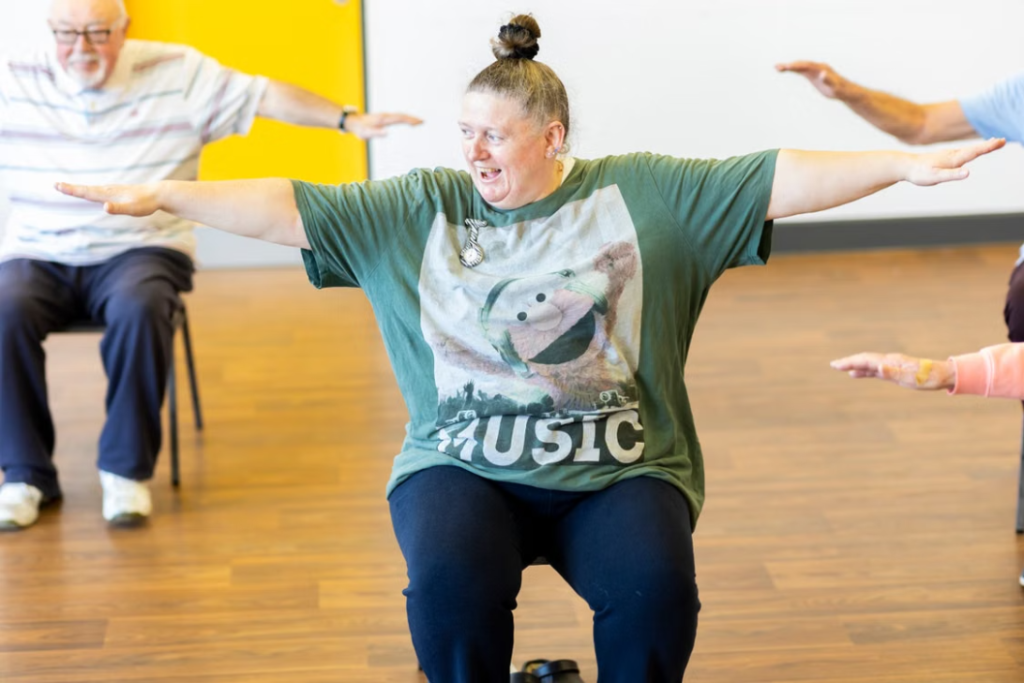
Yes, when it targets the right things. The same NICE summary recommends that people with impaired gait and balance are offered a falls prevention exercise programme, which usually means supervised strength and balance work rather than general walking alone. Walking aids help only when they suit the person, so ask a physiotherapist or GP to check the fit.
Dizziness deserves a conversation too. If someone feels light-headed after standing, mention it to a GP or pharmacist, since NICE suggests considering a medication review for people at higher risk.
How Often Should Fall Risk Be Reviewed?
Review after any fall or near miss, after a hospital stay, and whenever medicines, eyesight, or mobility change. A seasonal check is a practical habit as well, because dark evenings and wet entrances bring their own hazards. Effective fall prevention for older adults depends on repeating these checks, not on one round of fixes.
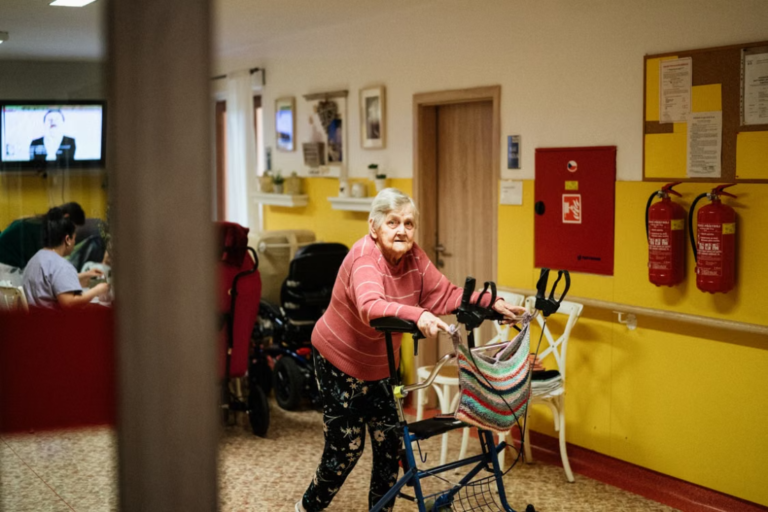
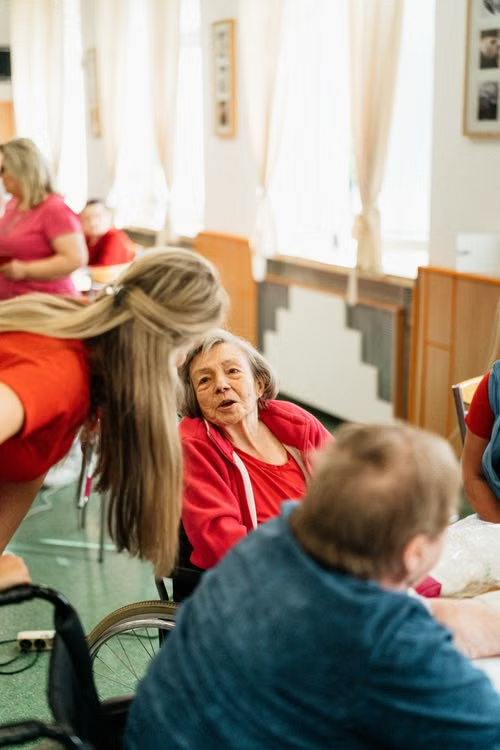
Small changes are easy to miss, such as someone walking more slowly or avoiding the stairs. In care settings, steady nursing home staffing and assisted living staffing make it easier to notice them early, and a care staffing agency can help cover short-notice gaps. Retirement villages often add extra support while a resident recovers from an illness or a fall, as this blog on retirement village support workers explains.
Is Your Rota Leaving Gaps Between Safety Checks?
Falls checks only work when someone has time to carry them out. At Careline Solutions, we place support workers in retirement villages and care homes, so residents’ routines carry on when sickness or leave leaves a gap. Our senior resident care staffing in Slough covers temporary and permanent roles. Share your rota gaps, and we will talk through elder care staffing solutions.