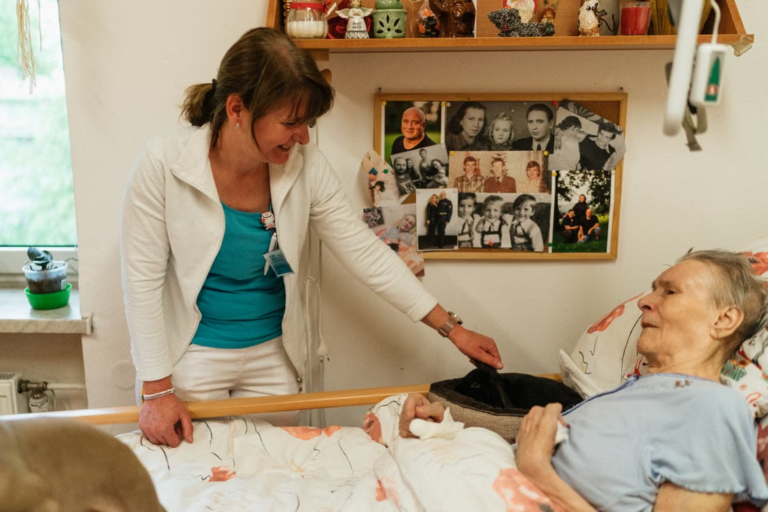
Temporary support workers play an important role in maintaining consistent care across nursing homes, residential care settings, children’s homes, and retirement villages. Whether covering unexpected absences, seasonal staffing shortages, or increased demand, temporary professionals help services maintain essential support.
However, hiring temporary workers involves more than filling vacant shifts. Care providers must ensure that every professional entering their service meets the necessary recruitment, safeguarding, and competency standards.
Care staffing compliance is essential for protecting vulnerable individuals, maintaining service quality, and meeting regulatory expectations.
Understanding the key checks can help providers make informed hiring decisions while maintaining a safe and supportive environment.
Why Is Care Staffing Compliance Important?
Care providers have a responsibility to ensure that individuals delivering support are suitably qualified, experienced, and safe to work with vulnerable people.
In England, the Care Quality Commission (CQC) outlines recruitment and staffing expectations under Regulations 18 and 19. These requirements extend to temporary and agency workers involved in regulated activities.
Working with a reputable care staffing agency can simplify recruitment, but providers must still satisfy themselves that appropriate checks have been completed.
Effective compliance procedures help organisations:
- Protect residents, patients, and service users from potential harm.
- Maintain consistent standards across permanent and temporary teams.
- Reduce recruitment risks and avoid preventable staffing issues.
- Support safeguarding responsibilities and regulatory compliance.
- Build trust with families, employees, and regulatory bodies.
1. Verify Right-to-Work Documentation
Before temporary workers begin their assignments, the organisation responsible for the relevant right-to-work checks must confirm that they are legally permitted to work in the UK.
Depending on the individual’s circumstances, checks may involve reviewing acceptable identity documents or using the Home Office’s online right-to-work service.
Providers should also clarify responsibilities with their staffing agency and retain or obtain appropriate evidence where required.
Checking documentation before workers begin their duties helps organisations avoid legal complications and maintain transparent recruitment procedures.

2. Confirm DBS Checks and Safeguarding Eligibility
Disclosure and Barring Service (DBS) checks are particularly important when recruiting individuals who will work with children or vulnerable adults.
Many direct care roles qualify for enhanced DBS checks, with barred list checks required or permitted where the role meets the relevant eligibility criteria.
However, the appropriate level depends on the worker’s duties, rather than simply their job title.
Before confirming an assignment, providers should establish whether the appropriate DBS checks have been completed and whether any information requires further assessment.
A dependable health care staffing agency should be able to explain its screening procedures and provide appropriate compliance assurances.
3. Review Employment History and Professional References
Previous employment experience can provide valuable insights into a temporary support worker’s suitability.
Care providers should establish whether relevant employment history and references have been reviewed, including any gaps or concerns that require clarification.
References may help assess an individual’s:
- Previous experience in health and social care settings.
- Reliability, professionalism, and communication skills.
- Ability to follow safeguarding procedures.
- Experience supporting individuals with specific needs.
- Suitability for the responsibilities of the proposed assignment.
Careful reference verification supports safer recruitment decisions and reduces uncertainty when introducing temporary workers into established teams.
4. Check Relevant Qualifications and Mandatory Training
Different care environments require different professional skills. For example, supporting children in residential care may involve different qualifications and training expectations from working with senior residents in retirement villages.
Before accepting temporary staff, providers should verify that their qualifications and training match the responsibilities of the role.
Relevant training may include:
- Safeguarding adults or children.
- Moving and handling.
- Infection prevention and control.
- Health and safety.
- Basic life support or first aid, where appropriate.
- Medication awareness or administration, where relevant.
Additional qualifications, such as the Level 3 Diploma in Residential Childcare, may be relevant to particular roles.
Providers should verify training records and identify any additional learning required before workers undertake specific responsibilities.
5. Assess Practical Competency and Experience
Holding a qualification does not automatically demonstrate that someone can perform every task safely.
Temporary support workers must possess the practical skills, judgement, and experience needed to meet service users’ individual requirements.
For instance, supporting individuals with dementia, learning disabilities, or complex physical needs may require specialist knowledge.
Care providers should confirm workers’ experience, assess relevant competencies, and provide appropriate supervision where necessary.
CQC guidance expects providers to assess competence before staff work unsupervised in a role.

A reliable support worker staffing agency can help providers identify professionals whose experience aligns with their specific service requirements.
6. Ensure Safeguarding Knowledge and Reporting Procedures
Safeguarding is an ongoing responsibility, not simply a recruitment requirement.
Temporary workers should understand how to recognise possible abuse, neglect, or unsafe practices and know how to report concerns promptly.
Before starting, they should be introduced to the organisation’s safeguarding policies, reporting arrangements, and designated safeguarding contacts.
This is particularly important in children’s homes, residential settings, and services supporting individuals with additional care needs.
Clear procedures help temporary professionals respond appropriately and support a culture of accountability.
7. Provide a Proper Induction Before the First Shift
Even experienced support workers need guidance when entering an unfamiliar workplace.
An effective induction should introduce temporary staff to daily routines, individual support plans, emergency procedures, confidentiality requirements, and workplace expectations.
Providers should also explain reporting arrangements and identify supervisors who can answer questions throughout the assignment.
This helps temporary workers integrate into existing teams without compromising continuity of care.
8. Maintain Accurate Compliance Records
Good documentation supports accountability and demonstrates that appropriate recruitment processes have been followed.
Providers should maintain relevant records of completed checks, training, competency assessments, and induction procedures, while complying with data protection requirements.
Compliance should also be reviewed when workers return for future assignments, particularly when qualifications, permissions, or responsibilities may have changed.
Working closely with a specialist staffing agency in the UK can help organisations coordinate documentation and identify outstanding requirements.
Recruiting temporary support workers should never mean compromising safeguarding, qualifications, or professional standards.
By reviewing right-to-work documentation, DBS eligibility, references, training, practical competence, and induction arrangements, care providers can strengthen recruitment practices while maintaining continuity of support.
A structured approach to care staffing compliance helps organisations respond to changing staffing requirements without overlooking their responsibilities to the people receiving care.
Finding suitable temporary professionals should be straightforward without compromising the quality of care.
At Careline Solutions, we connect care providers and families with trained professionals who support individuals in care homes, private homes, and residential settings.
As a specialist healthcare staffing agency, we focus on flexible, personalised staffing solutions that accommodate individual needs, established routines, and the requirements of different care environments.
Whether you need temporary support workers to cover staffing gaps or additional professionals to maintain consistent care, our team is here to help you explore suitable options.
Contact Careline Solutions today to discuss your staffing requirements and discover flexible support tailored to your care setting.