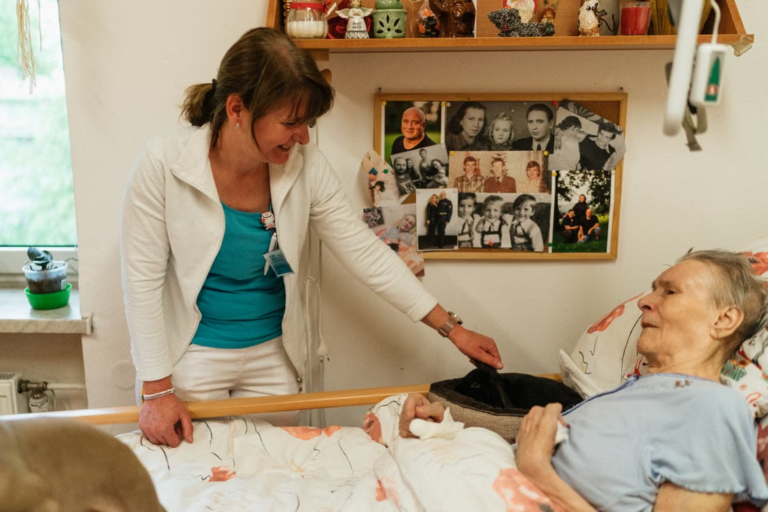
Every individual receiving care has unique needs, preferences, routines, and personal goals. Whether someone lives in a supported living environment or a residential care setting, they deserve support that respects their identity and allows them to make meaningful choices about their daily life.
This is where person-centred care in supported living becomes essential. Rather than following a standardised approach, person-centred care focuses on understanding each individual’s circumstances and providing assistance that promotes dignity, independence, and wellbeing.
For UK care providers, delivering personalised support requires effective communication, detailed care planning, and appropriately trained support workers who understand the importance of respecting individual choices.
What Is Person-Centred Care in Supported Living?
Person-centred care is an approach that places individuals at the centre of decisions concerning their support, wellbeing, and daily activities.
It recognises that people have different abilities, backgrounds, preferences, and aspirations. Instead of making decisions on their behalf, support workers encourage individuals to participate in planning and managing their care wherever possible.
The main principles of person-centred care include:
- Dignity and respect: Treating every individual with kindness while respecting their privacy and personal values.
- Choice and control: Allowing people to express preferences and participate in decisions affecting their lives.
- Independence: Encouraging individuals to complete everyday activities according to their abilities.
- Individualised support: Adapting care arrangements to accommodate personal needs and routines.
- Effective communication: Listening carefully and ensuring individuals feel understood and valued.
A reliable care staffing agency can help care providers access support workers who understand these principles and can incorporate them into everyday care.
1. Respect Individual Dignity and Personal Preferences
Dignity is one of the foundations of person-centred care.
Every individual should feel respected, regardless of their age, disability, health condition, or level of independence.
Support workers can protect dignity through simple but meaningful actions, such as asking permission before providing personal assistance, respecting privacy, and maintaining confidentiality.
Personal preferences also deserve consideration. Some individuals may prefer a particular morning routine, specific meals, or certain social activities.
Recognising these preferences helps create a comfortable environment where individuals feel valued rather than restricted by institutional routines.
2. Encourage Choice and Independence
Promoting independence does not mean expecting individuals to manage everything without assistance. Instead, it involves recognising their abilities and encouraging participation in everyday activities.
For example, someone living in supported accommodation may require help preparing meals but still be capable of selecting ingredients, planning menus, or completing certain cooking tasks.
Support workers should provide assistance where necessary while allowing individuals to retain control over activities they can safely manage.

Encouraging independence may involve:
- Supporting residents in choosing their clothing and daily activities
- Encouraging participation in household responsibilities
- Helping individuals develop practical life skills
- Respecting decisions about social interactions and leisure activities
- Providing suitable assistance without unnecessarily taking over tasks
This approach can strengthen confidence and support a greater sense of personal achievement.
3. Develop Individual Support Plans
Effective person-centred care in supported living requires support plans that reflect each individual’s circumstances.
A personalised support plan should consider physical needs, emotional wellbeing, communication preferences, daily routines, and personal goals.
Importantly, individuals should be actively involved in developing and reviewing their plans wherever possible.
Family members, advocates, and relevant professionals may also contribute when appropriate and with the necessary consent or legal authority.
Support plans should be reviewed regularly because people’s needs and preferences can change over time.
A health care staffing agency that understands individualised care requirements can help organisations identify support workers with suitable experience for different residential and supported living environments.
4. Prioritise Effective Communication
Communication plays a central role in understanding what individuals want and need.
Some people may communicate verbally, while others rely on visual aids, gestures, assistive technology, or alternative communication methods.
Support workers should adapt their communication styles accordingly.
Useful approaches include:
- Listening without interrupting
- Using clear, respectful language
- Allowing sufficient time for responses
- Checking understanding before proceeding
- Recognising non-verbal communication
- Encouraging questions and feedback
Effective communication also involves keeping individuals informed about their support arrangements and ensuring their concerns are taken seriously.
When people feel heard, they are more likely to participate confidently in decisions about their care.
5. Provide Proper Training for Support Workers
Person-centred care depends heavily on the knowledge, attitude, and practical skills of support workers.
Care providers should ensure their workforce receives appropriate training in areas such as safeguarding, communication, equality, dignity, and individual support planning.
Training should also help workers understand how to promote independence while recognising potential risks.
Working with reputable support worker staffing agencies can help organisations access professionals with relevant skills and experience.
However, temporary support workers should still receive an appropriate workplace induction to understand residents’ needs, organisational procedures, and individual care arrangements.
Consistent training and guidance can help maintain personalised support even when staffing requirements change.
6. Create an Environment That Supports Personal Choice
The physical and social environment can significantly influence how individuals experience care.
Residential settings should aim to balance safety with opportunities for privacy, independence, and meaningful participation.
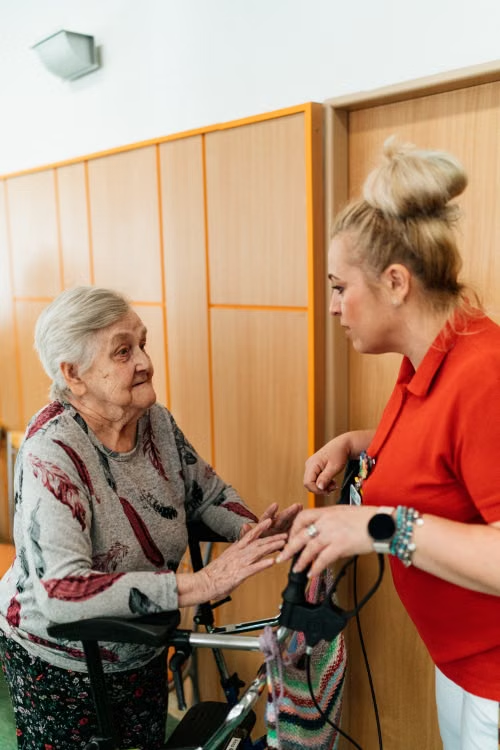
For example, individuals may benefit from having personal belongings in their rooms, choosing recreational activities, or maintaining connections with friends and family.
Care providers should also encourage feedback about daily routines, meals, activities, and shared living spaces.
Small adjustments based on residents’ preferences can make care environments more welcoming and supportive.
7. Regularly Review the Quality of Person-Centred Care
Delivering personalised care requires ongoing evaluation.
Care managers should regularly seek feedback from individuals receiving support, their families where appropriate, and support workers.
Reviews can help identify changing needs, communication difficulties, and opportunities to improve care arrangements.
Staffing consistency is equally important. Familiar support workers are often better positioned to understand personal routines and recognise changes in an individual’s preferences or wellbeing.
A dependable care staffing agency can support continuity by helping providers arrange suitable temporary workers when additional staffing is required.
Quality care begins with understanding the person behind every support plan.
At Careline Solutions, we help care providers and families access trained, compassionate professionals who respect individual choices, personal routines, and changing support requirements.
As a trusted healthcare staffing agency, we provide flexible and personalised staffing solutions for care homes, private homes, supported living environments, and residential settings. Our approach focuses on connecting individuals with suitable support workers who understand the importance of dignity, independence, and compassionate assistance.
Whether you need temporary staffing cover or ongoing support, we can help you find professionals who put individual care needs first.
Create a more supportive care environment with the right people by your side.
Contact Careline Solutions today to explore staffing solutions that prioritise personal choice, comfort, and quality care.