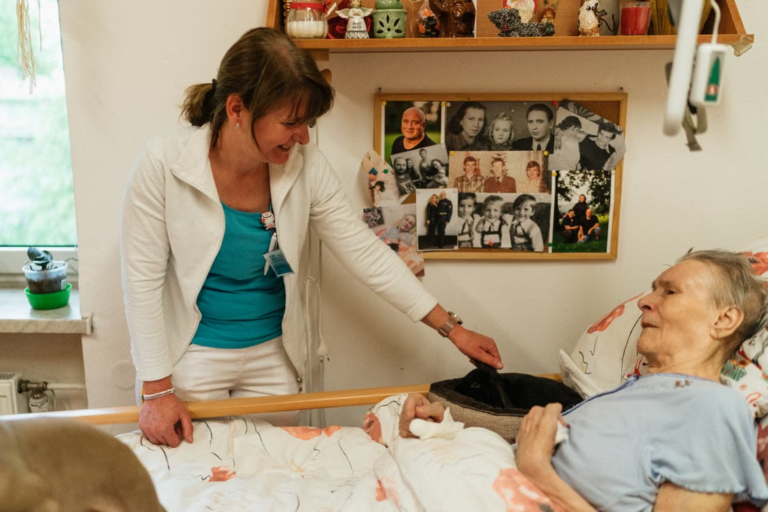
Consistency is essential when providing quality care. Whether supporting individuals in residential care homes, retirement villages, or private homes, familiar support workers help create a sense of security, trust, and comfort. However, staff shortages, unexpected absences, and changing care requirements can make maintaining consistent support challenging.
For UK care providers, developing a reliable continuity of care staffing strategy is crucial to delivering dependable services while supporting employee wellbeing.
According to Skills for Care, England’s adult social care sector had approximately 96,000 vacant positions in 2025/26, highlighting the ongoing challenges providers face when maintaining appropriate staffing levels.
Understanding these challenges and identifying practical solutions can help care organisations build stronger, more consistent teams.
Why Is Continuity of Care Important?
Continuity of care refers to providing coordinated, consistent support over time, ideally through familiar professionals who understand each individual’s needs, preferences, and daily routines.
When individuals regularly interact with the same Support Workers, they may feel more comfortable communicating their concerns and expressing their preferences.
Consistent staffing also helps care organisations:
- Build trusting relationships between support workers and service users.
- Maintain familiarity with individual care plans and routines.
- Reduce confusion caused by frequent staff changes.
- Improve communication between staff, families, and management.
- Identify changes in an individual’s health or behaviour more effectively.
- Support person-centred care across different settings.
The Care Quality Commission (CQC) emphasises the importance of effective coordination, information sharing, and collaborative working to maintain continuity of care.

Common Staffing Challenges That Disrupt Continuity of Care
1. High Staff Turnover
Frequent employee departures can significantly affect care consistency. When experienced Support Workers leave, organisations lose valuable knowledge about service users’ routines, communication preferences, and individual requirements.
Recruiting replacements also takes time, particularly when specialised skills or additional training are necessary.
A dependable care staffing agency can help organisations access qualified professionals while developing longer-term staffing arrangements.
2. Sickness Absence and Unexpected Leave
Unexpected staff absences can disrupt planned shifts and increase workloads for existing employees.
When replacements are arranged at short notice, temporary workers may have limited familiarity with residents, organisational procedures, or individual care plans.
Providers can reduce these disruptions by maintaining reliable staffing partnerships and preparing contingency arrangements before shortages occur.
3. Recruitment Shortages
Finding experienced Support Workers remains a challenge in parts of the UK’s health and social care sector.
Competition for qualified professionals, demanding schedules, and changing workforce expectations can make recruitment difficult.
Although physician recruiting companies primarily focus on sourcing medical professionals, social care providers generally require recruitment partners with specific expertise in Support Worker staffing and residential care services.
Working with a specialised health care staffing agency can help providers identify suitable professionals for their care environments.
4. Frequent Changes Between Staffing Agencies
Using multiple recruitment agencies without a coordinated approach can result in unfamiliar professionals regularly joining care teams.
Although temporary staffing offers flexibility, continually introducing different workers may affect communication and consistency.
Developing an ongoing relationship with a trusted support worker staffing agency allows providers to establish clearer expectations and request familiar professionals whenever possible.
5. Changing Service-User Needs
Care requirements rarely remain unchanged.
Individuals may develop additional mobility difficulties, experience cognitive changes, or require more specialised support.
These developments can create staffing challenges when existing teams lack the appropriate training or capacity.
Regular care assessments and flexible workforce planning allow providers to respond to changing needs without unnecessary disruption.
Practical Solutions for Improving Continuity of Care Staffing
Develop a Reliable Staffing Plan
Effective workforce planning begins with understanding current staffing requirements and anticipating future demands.
Care managers should regularly review shift patterns, staffing ratios, scheduled leave, and service-user needs.
Maintaining a clear staffing forecast helps organisations identify potential shortages and arrange suitable cover before they affect care delivery.
Prioritise Staff Retention and Development
Recruitment alone cannot resolve continuity challenges. Retaining experienced employees is equally important.
Providers can strengthen retention through:
- Competitive pay and fair employment conditions.
- Predictable schedules and manageable workloads.
- Ongoing professional development opportunities.
- Supportive management and open communication.
- Recognition of employees’ contributions.
- Training tailored to changing care requirements.
When support workers feel valued and supported, organisations are better positioned to maintain stable teams.
Build Long-Term Relationships With Staffing Partners
Rather than relying exclusively on last-minute recruitment, care providers can establish ongoing partnerships with experienced staffing agencies.
A specialist agency can become familiar with an organisation’s working practices, staffing preferences, and service expectations.
This approach can also increase opportunities to book returning temporary support workers who already understand the care environment.
Improve Communication and Staff Handover Procedures
Even with effective workforce planning, staff changes sometimes become unavoidable.
Clear handover procedures help maintain continuity when different professionals provide support.
Care organisations should ensure that incoming staff understand:
- Individual care plans and personal preferences.
- Medication responsibilities within their competence and authorisation.
- Mobility assistance and safety requirements.
- Communication needs and daily routines.
- Recent changes in health or behaviour.

Accurate documentation and timely communication reduce misunderstandings and support coordinated care.
Review Staffing Arrangements Regularly
Care providers should assess whether existing staffing arrangements continue to meet organisational and service-user needs.
Monitoring absence patterns, employee turnover, agency usage, and feedback from residents and families can reveal areas requiring improvement.
A proactive approach helps organisations adapt staffing strategies before recurring problems affect service quality.
How Can a Support Worker Staffing Agency Help?
A professional support worker staffing agency can provide additional workforce flexibility without requiring providers to manage every recruitment challenge independently.
Unlike physician recruiting companies, which focus on medical recruitment, agencies specialising in social care staffing understand the day-to-day requirements of residential settings and Support Worker roles.
Working with an experienced recruitment partner can help care providers access appropriately trained professionals, manage temporary vacancies, and improve staffing consistency.
The right partnership should focus not simply on filling shifts, but on matching professionals with the requirements of each care environment.
Maintaining consistent care begins with having the right professionals available when they are needed.
At Careline Solutions, we connect individuals and care providers with trained support workers who understand the importance of personalised, respectful assistance. Whether support is required in care homes, private homes, or residential settings, our flexible staffing solutions are designed around individual needs, established routines, and changing care requirements.
As a dedicated healthcare staffing agency, we help organisations address staffing gaps while keeping quality care at the centre of every placement.
Looking to strengthen your continuity of care staffing arrangements?
Contact Careline Solutions today to discuss dependable staffing support tailored to your organisation’s needs.