National Allotments Week, taking place from 11–17 August, celebrates the important role allotments and community gardening play in improving health, wellbeing, and social connection. For retirement villages, it is an excellent opportunity to encourage residents to enjoy the outdoors, participate in meaningful activities, and develop new skills while spending time with others.
Gardening offers much more than attractive outdoor spaces. It encourages gentle physical activity, creates opportunities for conversation, and gives residents a rewarding sense of purpose. Whether tending raised flower beds, growing vegetables, or caring for communal gardens, these activities make a valuable contribution to retirement village wellbeing, helping residents remain active, independent, and socially connected throughout the year.
Celebrating National Allotments Week in Retirement Villages
The annual National Allotments Week campaign encourages people of all ages to experience the benefits of growing their own plants, fruit, and vegetables. Retirement villages can embrace the event by organising gardening clubs, seasonal planting sessions, harvest celebrations, or community garden projects that bring residents together.
These activities provide enjoyable opportunities for residents to spend time outdoors while strengthening relationships with neighbours, family members, and support workers.
Gardening Supports Physical Health
Gardening naturally encourages movement without feeling like structured exercise. Activities such as planting, watering, pruning, and harvesting help improve flexibility, balance, coordination, and mobility while allowing residents to work at their own pace.
According to The King’s Fund’s *Gardens and Health* report, gardening supports both physical and mental wellbeing by encouraging regular movement, creating opportunities for social interaction, and fostering a sense of purpose. Activities such as planting, watering, pruning, and harvesting provide gentle exercise while allowing older adults to remain active in an enjoyable and meaningful way.
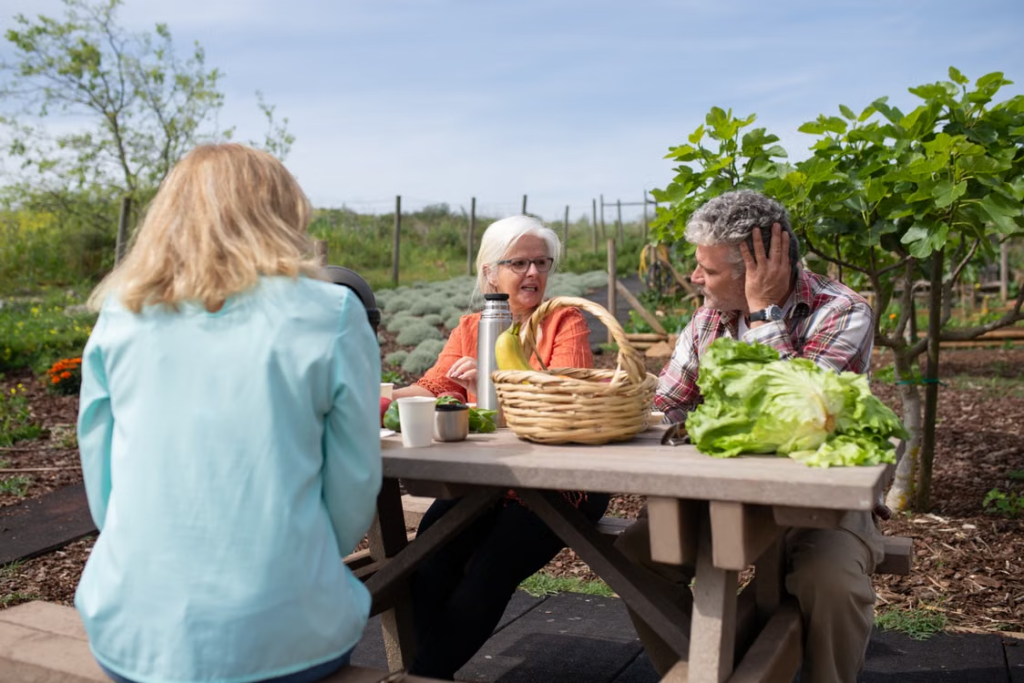
Many retirement villages also incorporate raised planters, accessible pathways, and adapted gardening equipment so that residents with varying mobility levels can participate comfortably.
Nature Has a Positive Impact on Wellbeing
Spending time in green spaces has been shown to benefit both mental and emotional wellbeing. Caring for plants encourages mindfulness, creates daily routines, and gives residents the satisfaction of seeing their efforts flourish over time.
According to Mind’s guide on nature and mental health, spending time in nature can help improve mood, reduce feelings of stress, and support overall mental wellbeing. Gardening allows residents to enjoy these benefits while creating daily routines and experiencing the satisfaction of nurturing plants and watching them grow.
These benefits contribute directly to retirement village wellbeing, helping residents feel more connected to both their surroundings and their community.
Gardening Brings People Together
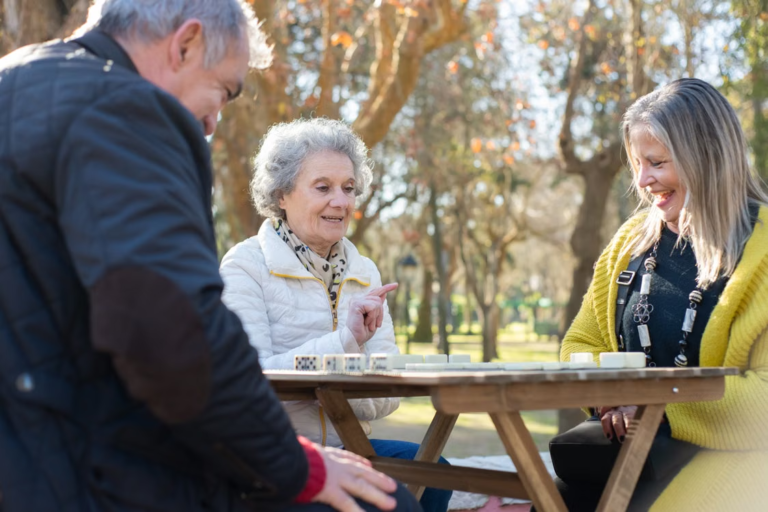
Communal gardens naturally encourage conversation and teamwork, making them an important part of retirement village wellbeing. Residents often exchange gardening advice, work together on seasonal projects, and celebrate successful harvests, creating friendships that extend well beyond the garden itself. For residents who may initially feel reluctant to join organised activities, gardening provides a relaxed and welcoming environment where conversations develop naturally through shared interests.
With encouragement from support workers in retirement villages, these shared experiences help residents build confidence, stay socially engaged, and enjoy a stronger sense of belonging within their community.
The Role of Support Workers in Gardening Activities
Successful gardening programmes rely on having enough support workers available to help residents participate safely while encouraging independence wherever possible.
Some residents may need assistance carrying gardening equipment or accessing raised beds, while others simply benefit from reassurance and encouragement. The Alzheimer’s Society’s guidance on gardening and outside spaces for people affected by dementia explains that gardening can help people living with dementia stay active, stimulate the senses, and improve overall wellbeing. Having experienced support workers in retirement villages available allows residents to participate safely while enjoying meaningful outdoor activities.
Having experienced support workers in retirement villages available allows residents to participate safely while ensuring individual care needs continue to be met throughout the day.
Creating Meaningful Outdoor Experiences All Year Round
Gardening should not be limited to National Allotments Week alone. Seasonal planting projects, sensory gardens, herb gardens, wildlife spaces, and vegetable patches provide opportunities for residents to remain engaged throughout the year.
The NHS’s Green Social Prescribing programme recognises that connecting people with nature-based activities can positively influence both physical and mental health. By incorporating gardening into regular activity programmes, retirement villages can create inclusive experiences that support independence, wellbeing, and community involvement long after the summer season ends.
Supporting Wellbeing in Retirement Villages
Careline Solutions provides reliable support workers in retirement villages, temporary care staff, permanent recruitment, and tailored staffing solutions for retirement villages and residential care providers. If you’re looking to strengthen retirement village wellbeing with experienced professionals who deliver compassionate senior residents’ care, contact our team today to discuss your staffing requirements across Surrey, Berkshire, Buckinghamshire, Oxfordshire, Hampshire, and Hertfordshire.