
In the care sector, compliance is sometimes misunderstood as paperwork, policies, and inspections. In reality, compliance in care work plays a direct role in protecting vulnerable individuals, supporting staff accountability, and maintaining safe care environments.
Whether organisations work with a care staffing agency for temporary cover or manage permanent teams internally, proper compliance procedures help create consistency, trust, and higher standards of care. When compliance becomes part of everyday practice rather than a checklist exercise, service users and support workers both benefit.
Compliance Is About Protecting People
At its core, compliance exists to safeguard individuals receiving support. This includes maintaining safe environments, following safeguarding procedures, recording incidents correctly, and ensuring support workers understand their responsibilities.
In residential settings and supported accommodation, small mistakes can have serious consequences. Providers working alongside a health care staffing agency often require staff who understand the importance of:
- Accurate record keeping
- Confidentiality
- Medication procedures
- Safeguarding policies
- Risk assessments
Compliance helps ensure that support remains safe, respectful, and consistent for every individual.
For organisations handling nursing home staffing, strong compliance practices also improve confidence among families, managers, and regulatory bodies.
Building Trust Through Professional Standards
Families and service users place enormous trust in care providers. They expect staff to act professionally, communicate clearly, and follow proper procedures at all times.
When compliance is taken seriously, that trust becomes easier to build and maintain. Providers using staffing agencies for nursing homes often look for workers who can adapt quickly while still maintaining high professional standards.
Good compliance practices support:
- Safer care delivery
- Clearer communication
- Better teamwork
- Improved accountability
- Stronger safeguarding measures
These standards are especially important when supporting young people aged 14+ in residential or semi-independent settings, where structure and consistency can make a significant difference.

Why Training Matters in Compliance
Policies alone are not enough. Staff need practical training to understand how compliance applies to real-life situations.
This is why many organisations partner with a home health staffing agency that prioritises ongoing staff development and professional readiness. Proper training helps support workers respond confidently to challenges while reducing risks within the care environment.
Areas commonly covered include:
- Safeguarding responsibilities
- Behaviour management
- Incident reporting
- Confidentiality
- Equality and dignity in care
Providers seeking assisted living staffing support often value workers who combine compassion with professionalism and strong awareness of compliance standards.
When training is consistent, staff are more confident in their roles and better prepared to deliver safe, person-centred support.
Compliance Supports Better Teamwork
Care environments rely heavily on communication between support workers, managers, and external professionals. Without proper procedures, important information can easily be missed.
Compliance systems help teams:
- Document concerns properly
- Communicate clearly during shift handovers
- Follow support plans consistently
- Monitor risks effectively
- Maintain continuity of care
Many organisations using a senior residents’ care placement agency recognise that operational consistency improves both care quality and workplace culture.
For providers managing multiple services or shift patterns, compliance also helps ensure all staff follow the same professional expectations regardless of location or assignment.
Moving Beyond the “Tick-Box” Mentality
One of the biggest problems in the care sector occurs when compliance becomes purely administrative. Policies may exist on paper while daily practice falls short.
Strong care providers understand that compliance should actively shape how support is delivered. It should influence communication, safeguarding, staffing decisions, and care planning every day.
This approach is increasingly important for organisations seeking elder care staffing solutions and flexible staffing support across residential services.
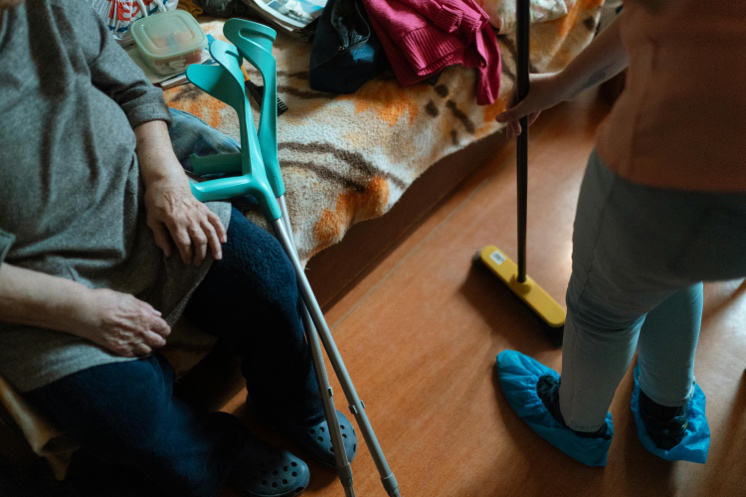
Rather than viewing compliance as a burden, successful providers use it to:
- Improve service quality
- Reduce avoidable risks
- Strengthen staff confidence
- Protect service users
- Maintain professional standards
This creates safer and more supportive environments for everyone involved.
Supporting Long-Term Quality in Care
High-quality care cannot exist without proper compliance. While compassion remains central to support work, structure and accountability are equally important in maintaining safe services.
Providers requiring Slough senior resident care staffing or wider regional staffing support increasingly seek workers who understand both the human and professional side of care delivery.
At Careline Solutions, we recognise that strong compliance practices are essential to building dependable care services. Whether organisations need flexible staffing cover or long-term support workers, we help connect providers with trained professionals who understand the importance of safe and responsible care.
Careline Solutions provides reliable senior resident care staffing and experienced support through our trusted health care staffing agency services.
Contact our team today to discuss professional staffing solutions tailored to your care environment.