Some people need care that involves more than one service. It might include health, housing, social care, therapy, learning disability support, or mental health services. When these services do not communicate well, individuals and families can feel lost in a system that is meant to help them. That is where integrated care systems make a real difference.
Here’s what you need to know.
What Integrated Care Systems Mean for People with Complex Needs
Integrated care systems bring local NHS organisations, councils, and community groups into the same conversation. The goal is simple. People with complex care needs should not have to repeat their story every time they speak to a new professional. Instead, everyone involved works from a shared understanding of the person’s situation.
This approach helps create better continuity of care. A person with long-term health conditions or a learning disability may rely on several teams at once. With shared planning and information, the chances of missed appointments or conflicting advice are reduced. Families also feel more confident when they see services speaking to one another.
Why The Role of Support Workers Matters
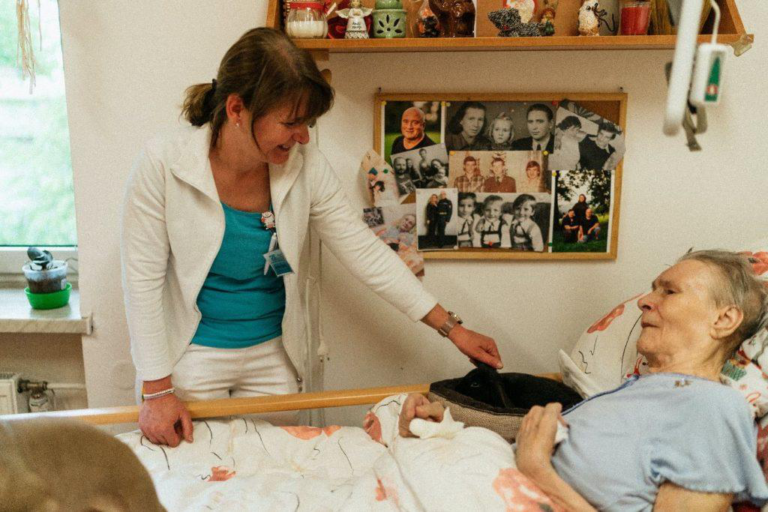
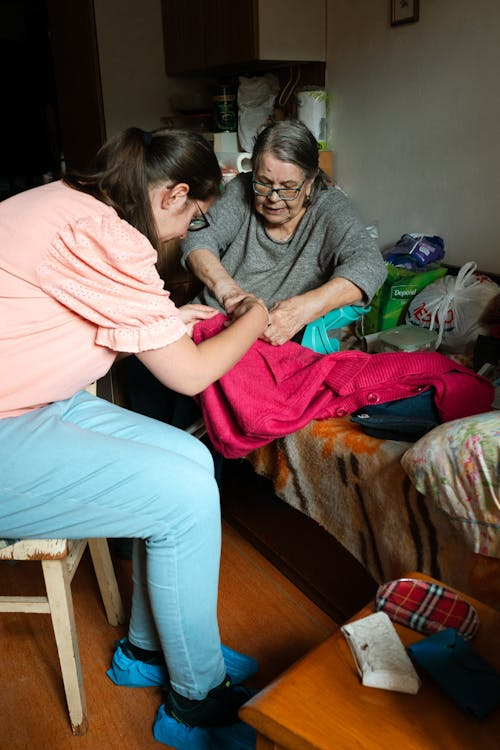
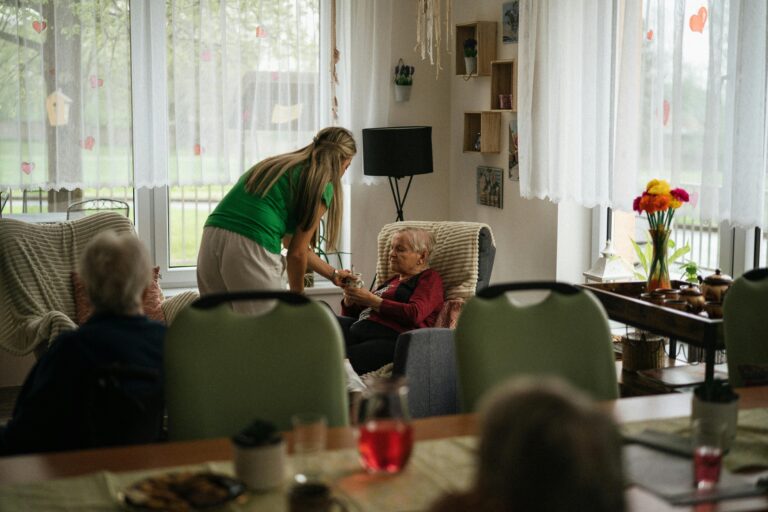
Within integrated care systems, support workers often act as the steady, familiar presence in someone’s life. They see what is happening day to day, not just during a scheduled appointment. Their observations and insights help doctors, social workers, and therapists make better decisions.
When a person’s needs change, support workers can help the wider care team respond sooner. That might mean adjusting medication, arranging mobility support, or bringing in a mental health specialist. Early action can prevent avoidable hospital stays and reduce stress for everyone involved.
Better Outcomes Through Shared Responsibility
Good care is a shared responsibility. Integrated care systems encourage joint planning and joint problem-solving. Instead of each agency focusing only on its own tasks, partners work towards outcomes that genuinely improve a person’s quality of life.
This might include more stable housing for someone moving out of the hospital. It might mean helping a young person with autism attend education that meets their needs. It could involve giving families regular breaks so they can continue caring at home with confidence.
Moving from coordination to a real partnership
The strength of integrated care systems lies in relationships. When teams trust each other, they can make changes that would be difficult alone. Communication becomes faster and clearer. Care plans reflect the person, not the service structure around them.
For the people who rely on complex care, this teamwork means fewer gaps, smoother transitions, and better outcomes. It turns a maze of services into a support network that works with them, not around them.

If your organisation is looking for reliable staffing that truly supports complex care, Careline Solutions is here to help. As a trusted care staffing agency in the UK, we understand how important it is to have skilled, confident, and compassionate support workers who contribute to the success of integrated care systems. Our goal is simple. We want every client to receive the very best service at competitive rates, without ever compromising on quality.
We maintain an impressive database of experienced professionals and take time to match each placement to your specific needs. Whether you require short-term cover or long-term staffing support, we work closely with you to ensure smooth continuity of care for the people who rely on your service. We also offer ongoing training and guidance for our support workers so they feel prepared, valued, and ready to deliver excellent care from day one.