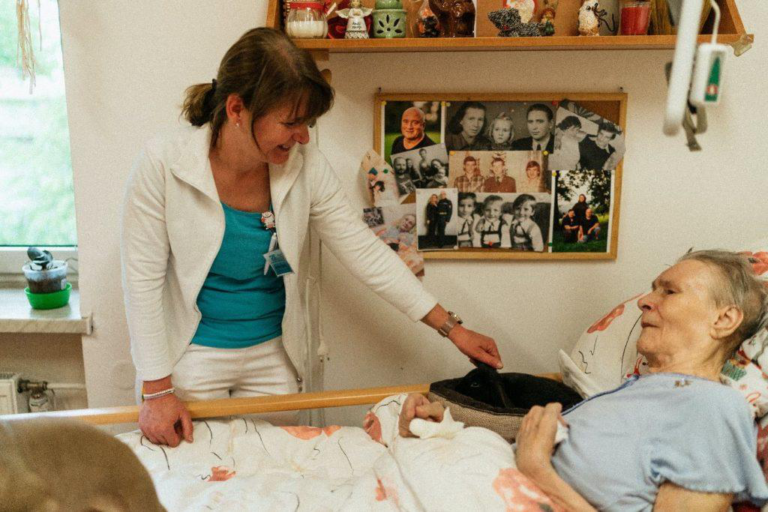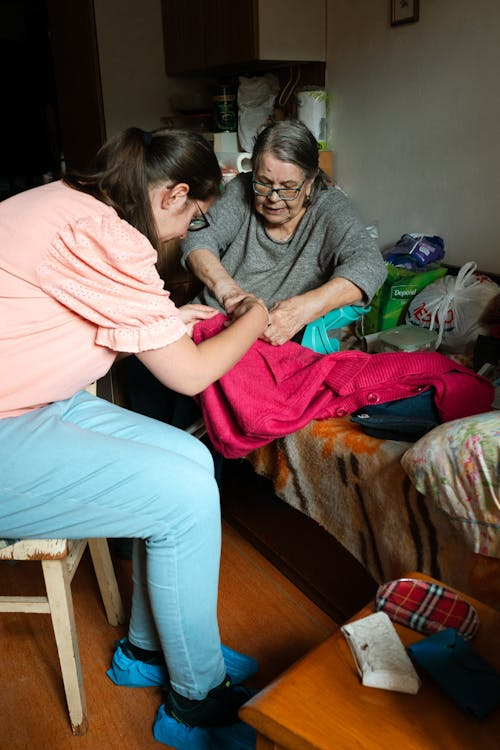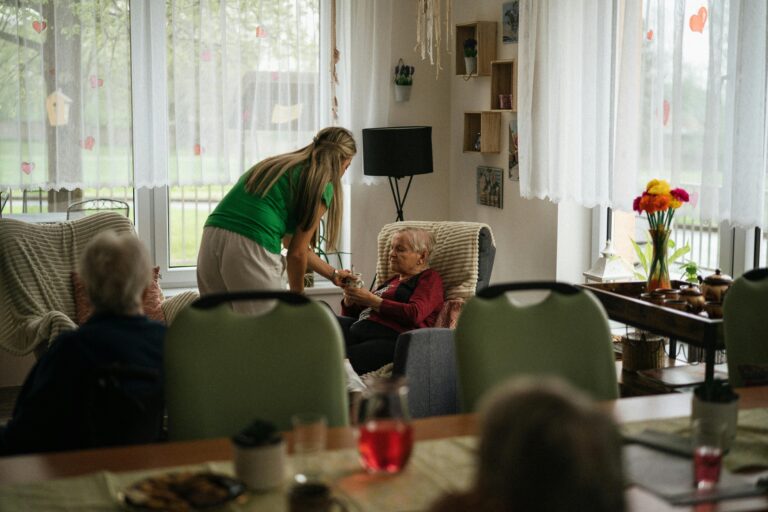
Running a children’s care home is about more than providing a safe place to live. It’s about creating stability, trust, and support for young people who may have faced trauma, autism, or other special needs. The heart of that effort is the people who work there. Getting staffing in children’s care homes right is one of the toughest and most important parts of the job.
Here’s what you need to know.
Why staffing in children’s care homes can be challenging
Children’s care homes need staff who bring far more than professional skills. They must have empathy, patience, and resilience to handle the emotional and practical demands of the role. Supporting children with complex needs can be rewarding, but it also requires training, emotional strength, and consistency.
High turnover is a common challenge. Support workers can face burnout if they don’t have the right training or workplace support. On top of that, finding people with experience in autism, trauma-informed care, or special educational needs is not always easy. Leading support worker staffing agencies can help bridge this gap, but it takes careful screening to ensure each worker is the right fit.
Best practices for recruiting and keeping great staff
Good recruitment starts with clear expectations. Candidates need to understand exactly what the role involves, from daily routines to the emotional challenges they might face. For staffing in children’s care homes, experience is important, but so is attitude. Many of the best support workers are those who combine formal training with genuine care for the children they work with.
Training is key to retention. Ongoing learning in areas like positive behaviour support, de-escalation, and communication with non-verbal children can make staff feel more confident and capable. Regular supervision and mental health support also help reduce burnout and keep morale high.
Pairing new staff with experienced team members can make a big difference. This “shadowing” approach lets them learn the ropes while also building trust with the children gradually, rather than being thrown in at the deep end.
What to look for in a support worker staffing agency
A good support worker staffing agency understands the unique environment of children’s care homes. They should have a thorough vetting process that checks qualifications, references, and background, but they should also assess the softer skills that matter just as much.
Ask how they match workers to placements. The right agency won’t just send anyone who’s available. They’ll consider the child’s needs, the existing team dynamic, and the worker’s strengths and experience. For staffing in children’s care homes, this match can be the difference between a stable, happy placement and constant staff changes.
It’s also worth checking if the agency provides extra training for its workers. An agency that invests in its staff is more likely to staff children’s care homes with professionals who are ready for the challenges of the role and committed to the long term.

Building a team that can truly support adolescents aged 14 to 18 requires specialised expertise. If you are struggling with staffing in children’s care homes and need to find experienced professionals who understand the complexities of teenage care, Careline Solutions is here to help.
As a leading support worker staffing agency, we provide quick and efficient solutions, ensuring you have the right people to make a real difference. Partner with our dedicated care staffing agency to fill your vacancies with confidence and create a stable, supportive environment for the young people in your care.