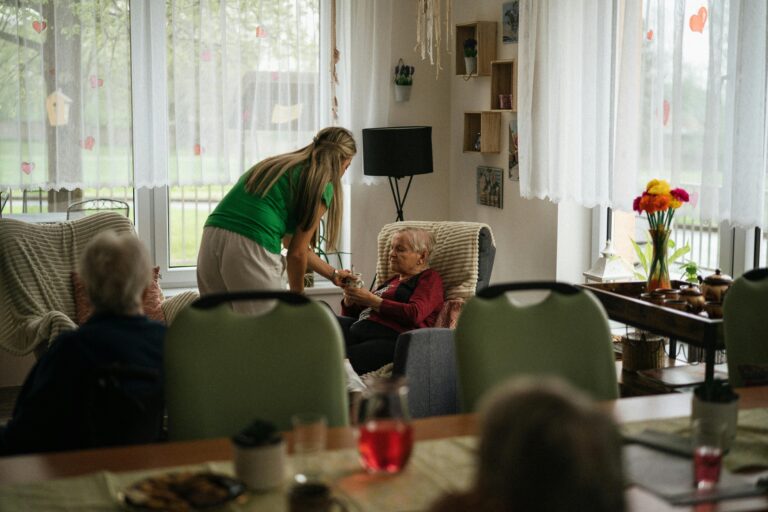
Children’s care environments, especially semi-independent homes for adolescents aged 14+, present unique challenges. Staff must be prepared to manage crises ranging from sudden medical emergencies to behavioural incidents. By combining CPR training with CPI (Crisis Prevention Intervention) techniques, care teams can significantly reduce risk and ensure the safety of all residents.
Why CPI Training Matters
CPI training provides care staff with practical strategies to prevent, de-escalate, and manage crises safely. For young residents with medium to high needs, such as those leaving care or with learning difficulties, effective intervention is critical.
- Prevention is Key: Staff learn to identify early signs of agitation or distress, allowing them to intervene before a situation escalates.
- Safe Intervention: CPI equips support workers with non-violent crisis management techniques, reducing the risk of injury to both staff and residents.
- Medical Preparedness: When combined with CPR training, staff can respond confidently to sudden medical emergencies, ensuring timely and effective care.
This approach not only safeguards the children but also promotes a calmer, more structured environment.
Practical Applications in Children’s Care Settings
Implementing CPI and CPR training has tangible benefits for care homes, day care centres, and semi-independent homes:
- Staff Confidence: Support workers gain hands-on skills for managing unpredictable behaviour, making them more confident in their roles.
- Improved Resident Safety: Early recognition and safe handling of crises prevent injuries and maintain a secure environment.
- Enhanced Care Quality: Residents feel safer and supported, contributing to their emotional and social development.
Careline Solutions ensures that all support workers receive thorough, up-to-date training, aligning with best practices for children’s care environments and the Care Quality Commission standards.
Real-World Example
At one semi-independent home, a resident with challenging behaviour became agitated during group activities. Staff trained in CPI techniques used de-escalation strategies while a colleague, certified in CPR training, monitored the resident for any medical risk. The incident was safely managed without harm, demonstrating the importance of combined training for crisis prevention.
Building a Culture of Safety and Confidence
Creating a safe and supportive environment in children’s care homes requires more than just training, it demands a culture where staff are confident, proactive, and well-prepared.
By integrating CPR training and CPI techniques into everyday practice, support workers gain the skills and confidence to manage emergencies effectively while maintaining the dignity and safety of the residents.
Regular drills, scenario-based learning, and ongoing professional development ensure that support workers are ready to respond to behavioural challenges or medical incidents with calm and precision. This proactive approach reduces stress for staff, fosters trust with residents, and enhances overall care quality.
At Careline Solutions, we understand that each care environment is unique. Whether in semi-independent homes for young people aged 14+ or in residential settings for children with special needs, our tailored training ensures staff can respond to specific challenges confidently.
By equipping teams with the right tools and knowledge, we help minimise risk, promote positive interactions, and create structured routines that benefit both residents and staff.
Investing in staff competency not only meets regulatory standards but also builds a foundation of trust, safety, and empowerment that improves outcomes across every care setting.
Integrating CPI and CPR into Staff Training Programs
Effective staff training goes beyond theory:
- Regular Refresher Courses: Ensuring skills remain current and staff are prepared for all scenarios.
- Scenario-Based Learning: Simulated crises allow staff to practice responses in a controlled environment.
- Collaborative Team Training: Staff learn to work together during incidents, improving communication and reducing risk.
This training model is essential for senior residents care in children’s care homes, ensuring that staff are confident, competent, and compliant.
Ensure your children’s care environment is safe and prepared. Learn more about how Careline Solutions equips support workers through professional CPR training and CPI programs.
Discover our team and approach, find tailored healthcare staffing solutions for you or contact us today to schedule training or staffing support.