Working in residential care means facing emotional, behavioural, and sometimes unpredictable situations. Challenging situations in care homes can arise when residents feel confused, distressed, or overwhelmed. For providers responsible for nursing home staffing in Slough, ensuring staff are trained to respond calmly and safely is essential.
CPI training equips care professionals with the confidence and practical tools to manage these moments effectively. Crisis Prevention Intervention training focuses on prevention first. It teaches staff to recognise early warning signs, communicate clearly, and reduce tension before behaviour escalates.
Recognising Early Warning Signs
Many incidents start with small changes in behaviour: pacing, refusing care, raising their voice, or withdrawing. Without training, these signs may be misinterpreted as defiance or aggression.CPI training teaches that behaviour is often communication. A resident with dementia may react strongly out of confusion or fear.
Staff learn to observe body language, tone, and environmental triggers. Identifying signs early allows staff to step in calmly and prevent escalation. Care homes partnering with staffing agencies for nursing homes often prefer professionals already trained in CPI, ensuring consistent approaches across shifts.
Using Verbal De-escalation Techniques
Communication plays a major role in managing behaviour. CPI training shows how posture, facial expression, and tone can influence situations.
For instance, if a resident refuses medication, a trained support worker avoids arguing. They speak calmly, give space, and offer choices like, “Would you prefer to take this now or after breakfast?” This empowers residents and reduces confrontation while maintaining dignity. Over time, these techniques strengthen trust between residents and staff.
Safe Responses to Physical Risk
Sometimes prevention isn’t enough, and a resident may become physically aggressive. CPI training includes safe disengagement methods to protect both the resident and support worker. These techniques emphasise minimal force and clear documentation, used only when necessary.
Structured training strengthens how teams handle challenging situations in care homes while keeping everyone safe.
Supporting Residents with Dementia
Many behavioural challenges relate to dementia, where confusion or fear can trigger strong reactions. CPI training helps staff understand root causes rather than viewing behaviour as aggression.
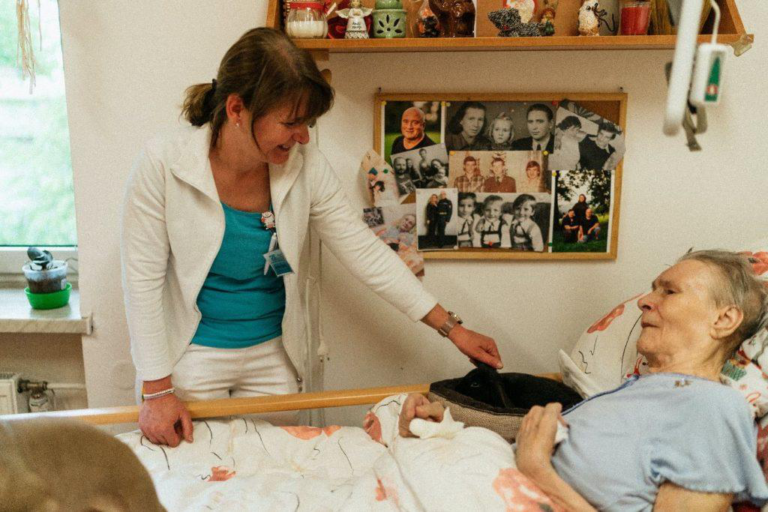
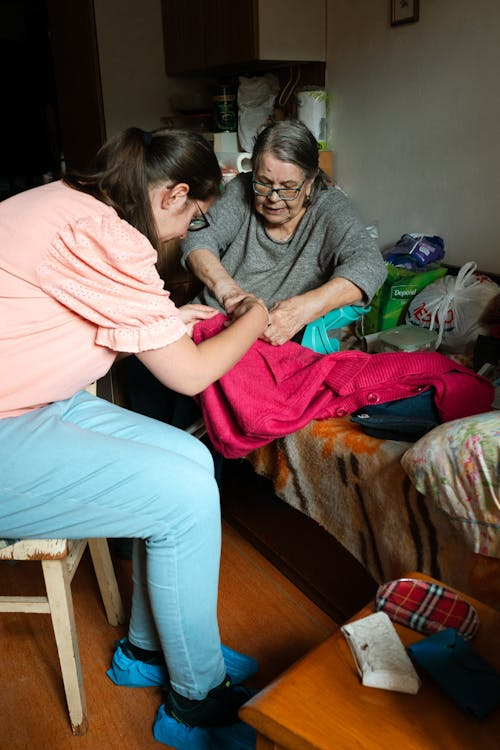
For example, a resident upset during bathing may feel embarrassed. A trained support worker will slow the process, explain steps, and provide reassurance. Care homes that integrate strong nursing home staffing practices with CPI training see better outcomes for residents.
Reducing Staff Stress and Improving Confidence
Facing difficult behaviour unprepared can be overwhelming. CPI training provides clear, structured steps that build staff confidence. Prepared support workers are less likely to panic, can remain calm, protect themselves, and support residents safely. This reduces stress and improves morale.
Homes that work with a home health staffing agency also benefit when agency staff follow the same standards, ensuring consistency across teams.
Encouraging Team Consistency
CPI training creates a shared approach. Every team member understands behavioural levels and response strategies. This prevents mixed reactions that could confuse residents. Collaboration extends to healthcare partners; while physician recruiting companies place medical professionals, frontline staff must also be trained in behaviour management. Both are essential for safe, effective care.
Real-Life Example
Imagine a resident agitated during dinner. They raise their voice and refuse to sit. An untrained response might insist on compliance.
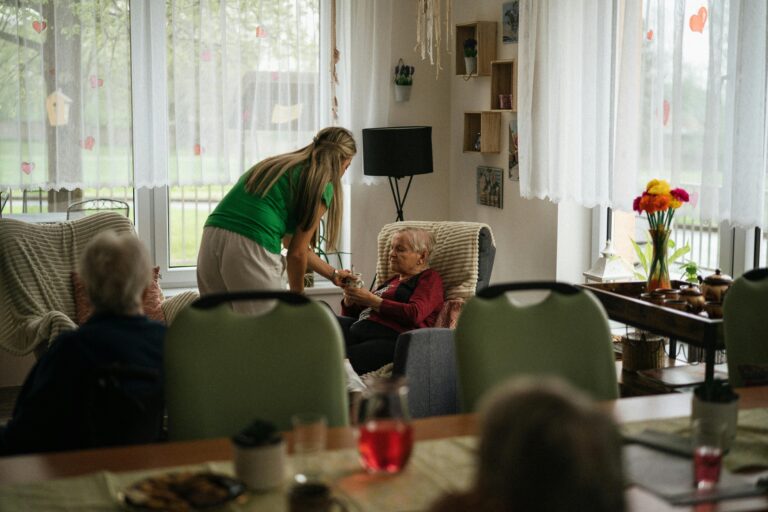
A CPI-trained support worker reduces noise, steps back, speaks softly, and offers reassurance. They may suggest eating later or moving to a quieter area. Calm responses prevent escalation and maintain dignity. Training doesn’t remove challenges but changes how staff respond to them.
Strengthen Your Care Team Today
To improve your handling of challenging situations in care homes, partnering with trusted staffing agencies for nursing that understand behavioural management can make a real difference. At Careline Solutions, we help care providers build confident, well-prepared teams with experienced nursing home staffing. Reach out to us.