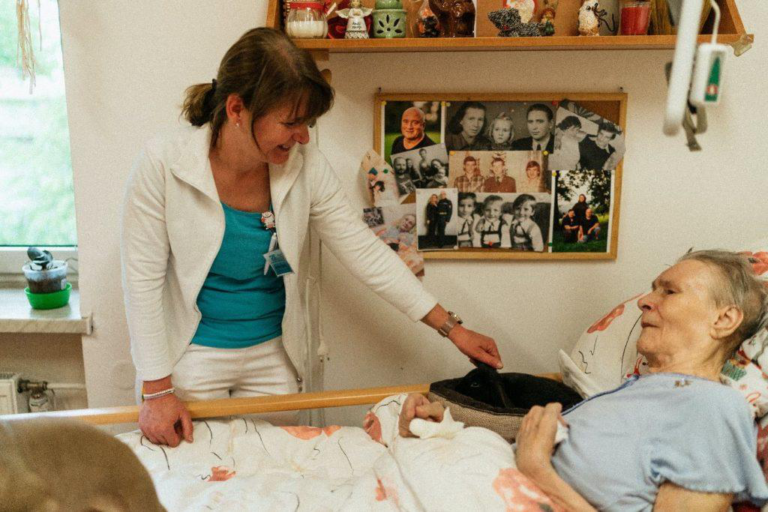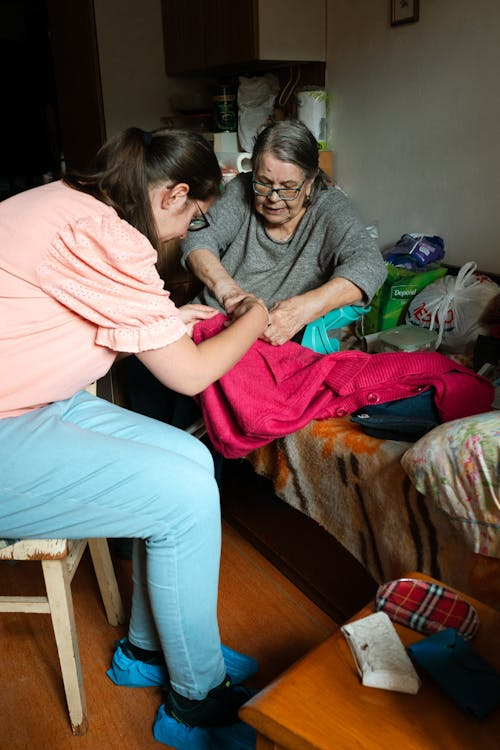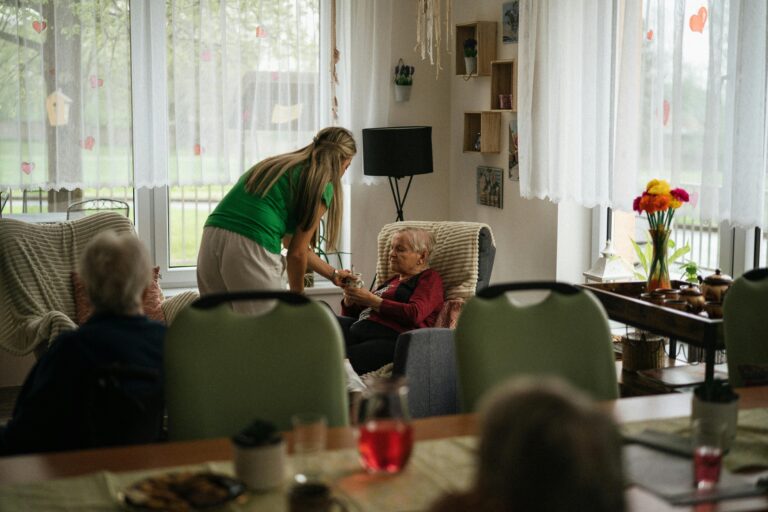
Continuity remains one of the most pressing challenges in senior resident care. According to workforce studies published in the UK and the US, long-term care facilities experience annual staff turnover rates exceeding 50%, disrupting daily routines and resident relationships. Consistent staffing directly influences resident satisfaction, safety, and clinical outcomes. Without stable teams, care plans suffer, communication gaps widen, and trust between residents and support workers weakens.
This growing issue has pushed providers to reassess workforce strategies, with increasing reliance on professional staffing support to promote consistent staffing for senior resident care.
Why Consistent Staffing Matters in Senior Resident Care
Senior residents depend on familiarity and routine. Frequent staff changes increase confusion, emotional distress, and missed care details. Facilities operating with rotating or temporary-only staff often struggle to maintain continuity across shifts and care plans.
Consistent staffing supports:
- Familiarity with resident preferences, routines, and communication styles
- Better awareness of ongoing medical conditions and mobility needs
- Stronger trust between residents and Support Workers
- Reduced repetition in assessments and daily handovers
- Faster response to changes in the resident’s condition
- Improved emotional well-being among long-term residents
- Clearer accountability across care teams
- Reduced risk of care omissions during shift changes
Providers working within assisted living staffing models report stronger resident engagement when staff consistency improves.
Staffing Challenges Affecting Continuity of Care
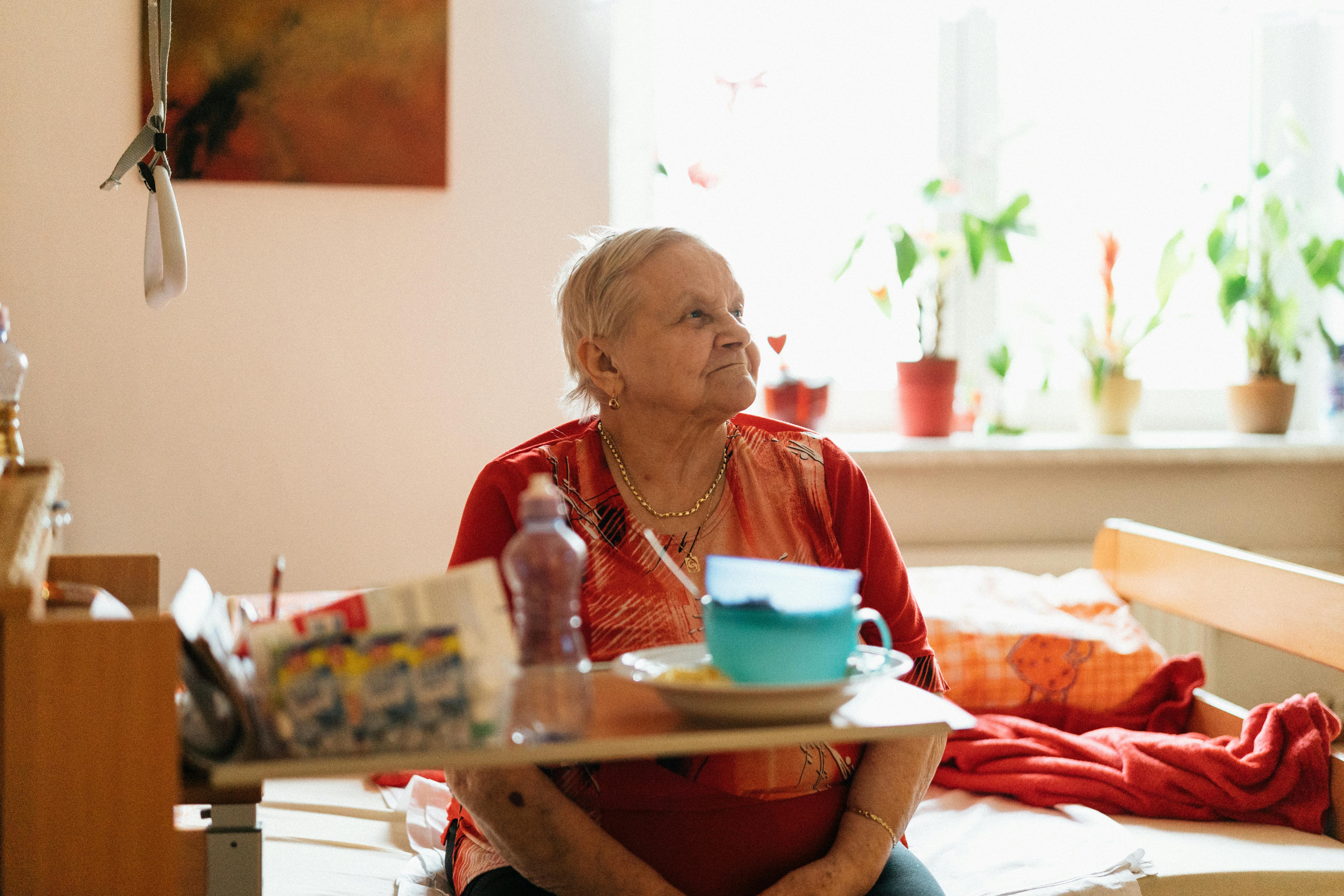
Staff shortages, sick leave, and turnover continue to impact continuity across senior resident care environments. Facilities in high-demand regions, including Slough and surrounding areas, face increasing competition for qualified professionals.
Common challenges include:
- Unplanned absences linked to workload pressure
- High turnover disrupts resident familiarity
- Difficulty maintaining stable rotas
- Increased reliance on unfamiliar short-term staff
- Limited availability of trained Support Workers
- Gaps in weekend and overnight coverage
- Administrative strain caused by frequent rehiring
- Reduced time for staff supervision and mentoring
These pressures affect not only residential care homes but also providers relying on home health staffing agency services and nursing home staffing coverage.
How Staffing Agencies Support Long-Term Care Consistency
Professional staffing partners focus on stability, not just rapid placement. A reliable care staffing agency builds long-term relationships with facilities, supplying familiar professionals who return regularly.
Staffing agencies contribute to continuity by:
- Assigning recurring Support Workers to the same facility
- Maintaining detailed staff profiles aligned with resident needs
- Offering longer-term placements rather than one-off shifts
- Reducing last-minute rota changes
- Supporting consistent care delivery during staff transitions
- Managing compliance and credential tracking
- Providing replacement staff familiar with facility protocols
- Supporting workforce planning during peak demand periods
Facilities using staffing agencies for nursing homes often report smoother transitions and fewer care disruptions.
Broader Workforce Support Beyond Frontline Care
Continuity also depends on leadership stability and clinical oversight. Staffing gaps among physicians and clinical managers can increase pressure on support workers and nursing staff.
To address this, many providers partner with:
- Physician recruiting firms for long-term medical leadership coverage
- Elderly placement agency partners assisting with resident transitions
- Multidisciplinary staffing providers coordinating care delivery
- External staffing teams supporting governance and oversight
- Regional staffing networks offering scalable workforce support
In Slough, providers increasingly rely on health care staffing in Slough to maintain continuity across multiple care settings.
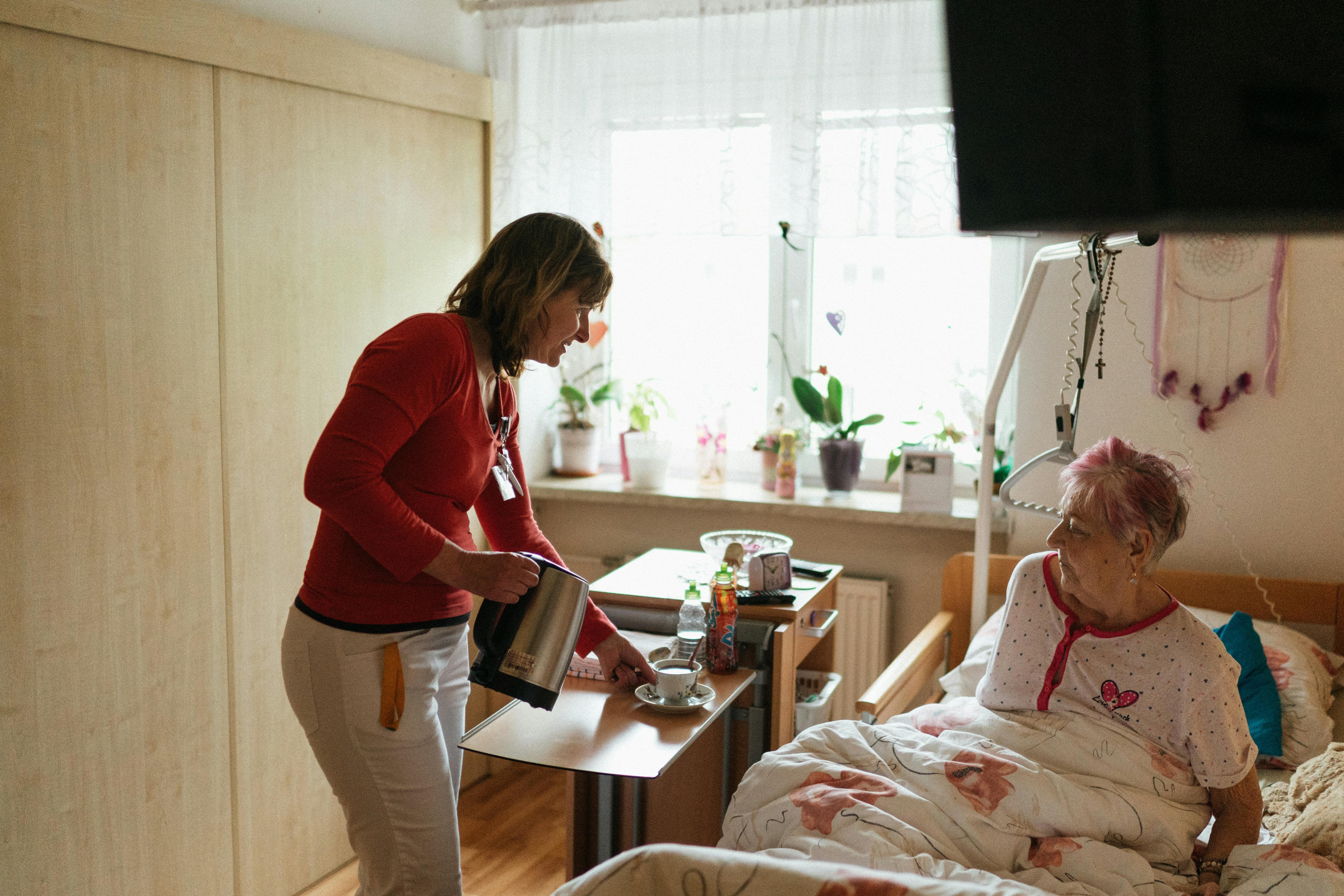
Benefits of Consistent Staffing for Senior Resident Care
Facilities that prioritize consistent staffing for senior resident care experience measurable operational and care-related benefits.
These include:
- Improved resident satisfaction scores
- Reduced anxiety linked to unfamiliar staff
- Stronger staff retention over time
- More stable daily routines for residents
- Improved communication with families
- Reduced incident reporting linked to care gaps
- More predictable staffing budgets
- Improved inspection readiness
Organizations supported by health care staffing agency partnerships maintain higher workforce stability compared to facilities relying solely on internal recruitment.
Building Stability Through Strategic Staffing
Continuity is not achieved through short-term fixes. It requires a deliberate staffing approach focused on long-term placement, familiarity, and workforce reliability. Facilities that invest in consistent staffing strengthen resident trust, reduce disruptions, and support sustainable care delivery.
At Careline Solutions, we provide dependable staffing support across senior resident care, assisted living, and home health services. Our experienced professionals help facilities maintain consistent care teams while reducing staffing pressure. Contact us today to strengthen continuity and support long-term senior resident care.