
Supporting young people in residential and semi-independent care settings requires patience, structure, and the ability to respond calmly under pressure. For many providers working with adolescents aged 14 and above, proper training is essential to maintaining safe and supportive environments. This is why CPI training for care staff continues to play an important role across the care sector.
Whether staff are working in supported accommodation, residential homes, or alongside a care staffing agency, CPI training helps support workers manage challenging situations professionally while protecting the wellbeing of young people and staff alike.
What Is CPI Training?
CPI stands for Crisis Prevention Institute training. It is designed to help support workers and care professionals recognise escalating behaviours early and respond using safe, non-threatening techniques.
The focus is always on prevention, de-escalation, communication, and maintaining dignity. In many settings supported by a health care staffing agency, CPI training is considered a valuable part of preparing workers for emotionally demanding situations.
For young people leaving care or living in semi-independent accommodation, emotional regulation can sometimes be difficult. Trauma, instability, anxiety, and behavioural challenges may affect how individuals respond to stress. CPI training gives support workers the tools to respond calmly without escalating the situation further.
Why CPI Training Matters in Children’s Residential Care
Working with adolescents in care settings involves more than supervision. Support workers often become trusted figures who help young people build confidence, routines, and emotional stability.

However, situations can occasionally become challenging. A young person may become withdrawn, verbally aggressive, distressed, or resistant to boundaries. In these moments, staff need training that prioritises safety and communication
Many organisations working with a care staffing agency look for workers who understand:
- Conflict prevention
- Emotional support
- Safeguarding responsibilities
- Behaviour management
- Trauma-informed care
CPI training supports all these areas by helping staff recognise triggers and respond appropriately.
For providers managing nursing home staffing or residential support services, properly trained workers can help reduce incidents and create more stable care environments.
Improving Communication Through CPI Training
One of the biggest benefits of CPI training is improved communication. Young people in care often respond better when they feel respected, listened to, and understood.
Training helps support workers:
- Use calm verbal communication
- Maintain non-threatening body language
- Avoid confrontational responses
- Build trust during difficult moments
- Encourage positive outcomes
Many organisations using a home health staffing agency now place greater emphasis on emotional intelligence and communication skills alongside qualifications.
Strong communication also improves teamwork between support workers, managers, families, and external professionals. This coordinated approach often leads to more consistent support for young people.
Supporting Safety for Staff and Young People
Safety is one of the main reasons CPI trainings is widely used throughout the care sector. Proper training helps staff identify risks before situations escalate.
In residential settings, support workers may encounter:
- Emotional outbursts
- Refusal to engage
- Verbal aggression
- Anxiety-driven behaviours
- Conflict between residents
Training helps staff remain calm and follow safe procedures that reduce risk for everyone involved.
Many providers seeking help from a health care staffing agency want workers who already understand de-escalation techniques and professional boundaries. This is especially important when supporting young people with complex emotional or behavioural needs.
For organisations managing assisted living staffing or supported accommodation, staff confidence also improves when workers feel prepared to handle challenging situations appropriately.
Behaviour Management Without Escalation
Modern care environments increasingly focus on proactive behaviour support rather than punishment-based responses. CPI training aligns with this approach by encouraging understanding, empathy, and prevention.
Support workers learn how to:
- Recognise early warning signs
- Reduce environmental stressors
- Offer choices calmly
- Maintain professional boundaries
- Redirect behaviours safely
This approach is especially valuable in settings supporting adolescents transitioning into adulthood.
Providers working with elder care staffing solutions or specialist residential services understand that every individual responds differently. CPI training encourages personalised responses instead of one-size-fits-all reactions.
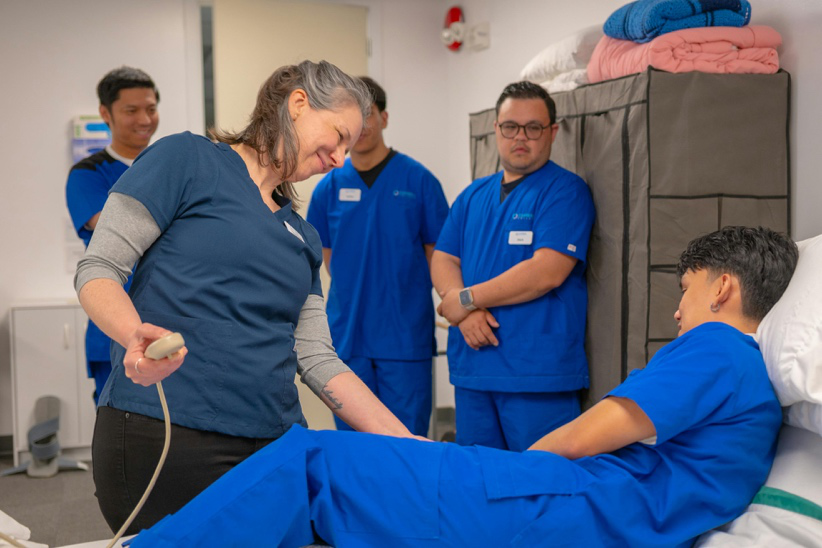
For many organisations, this contributes to stronger relationships between staff and residents while improving overall wellbeing within the home.
The Importance of Ongoing Staff Development
Training should never be viewed as a one-time exercise. Regular refreshers help support workers maintain confidence and stay updated on best practices.
Care providers often partner with a senior residents’ care placement agency or recruitment provider that prioritises ongoing professional development. Continuous training helps improve staff retention, service quality, and compliance standards.
In areas such as Slough and the surrounding regions, providers seeking senior residents’ care staffing increasingly value workers with practical training experience and strong interpersonal skills.
Likewise, organisations requiring health care staffing support often look for professionals who can adapt to different care environments while maintaining high safeguarding standards.
When staff feel supported through training and supervision, the overall standard of care improves for both young people and care teams.
Building More Positive Care Environments
Residential care settings work best when young people feel safe, respected, and supported. CPI training helps create calmer environments where support workers can manage challenges confidently and professionally.
For providers working with seniors, supported accommodation services, or elderly placement agency recruitment, investing in staff development demonstrates a commitment to safer and more compassionate care.
Looking for experienced support workers with professional training and practical care experience? Careline Solutions provides reliable senior residents’ care staffing in Slough and dependable support through our trusted health care staffing agency services across the UK. Contact our team today to discuss your staffing requirements.